The Case For The Native Plants
Time to open your eyes

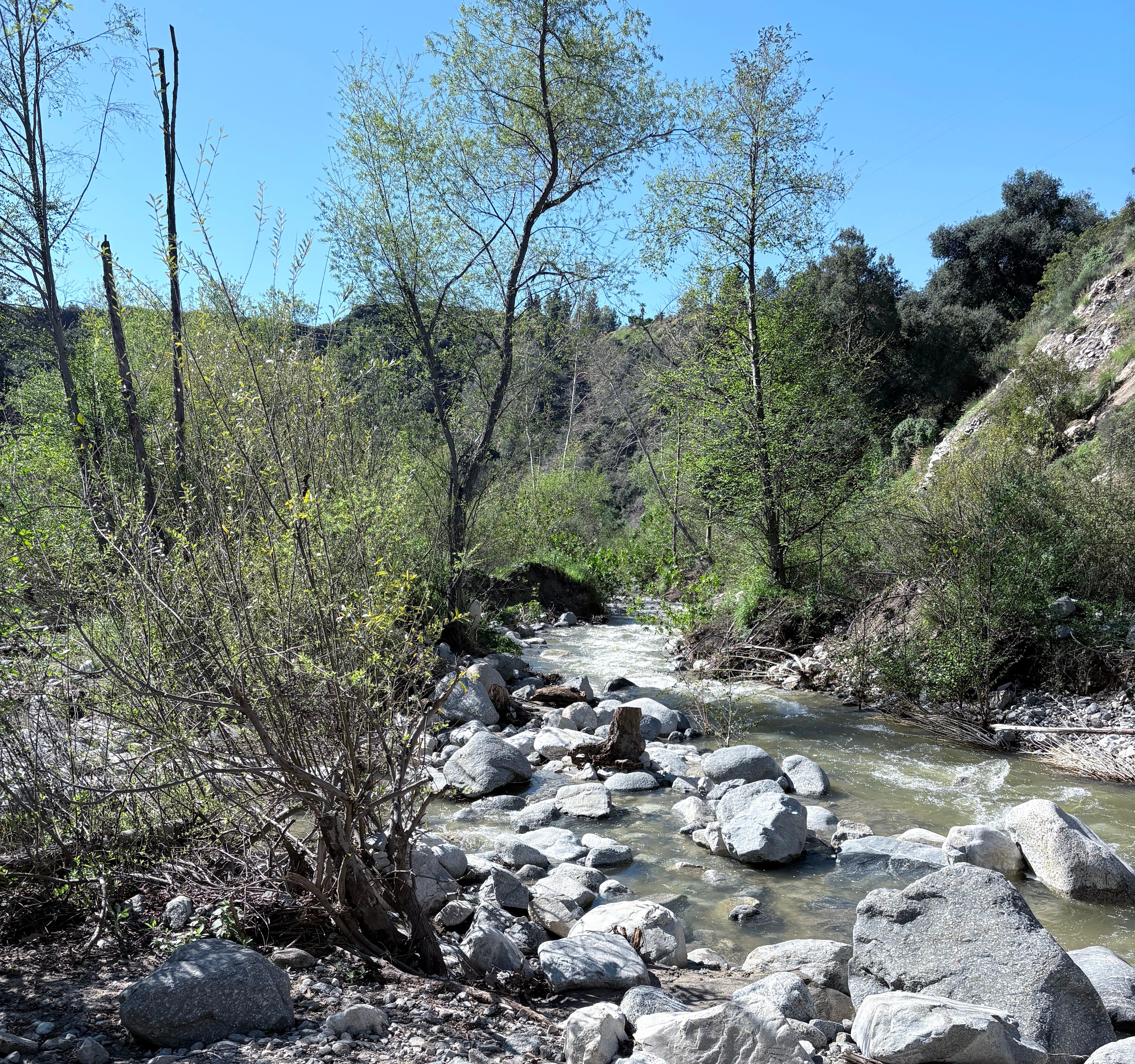
I’ve learned of the importance of California native plants. Several people I know in redoing their lawns while rebuilding or remediating, are using native plants, myself included.
I understand that this makes sense as why do you want your yard to look like somewhere else when we are here in beautiful southern California? This truth should be for everywhere. It supports and protects the ecosystem.
On native plants: Its beauty is in its belonging. It is an aesthetic we appreciate. Think about how it relates to home decor.
Do we want a home that looks like no one lives there?
Or do we want a home that reflects our persona and aesthetic? The things we value and that bring us joy?
Native plants just look right. No designer needed. Is there some irony in this? Am I seeking to destroy people’s professions?
It’s the perfect counterargument to the cultivated garden aesthetic — the idea that beauty requires intervention, arrangement, expertise. Native plants arrived at their own beauty over thousands of years of belonging to this specific soil, this specific light, this specific fire cycle. No one planted them in a pleasing composition. They just grew where they belonged and it looks exactly right.
All those landscape architects and garden designers and curated Pinterest boards making their way into your head and heart — and the chaparral was already perfect. Why did we need any of it?
What is needed is the understanding of how this all works. We need the ecosystem. It knows what to do and all we need to do is help it be a little better.
What do plants do for us?*** (From Douglas Tallamy Nature’s Best Hope)
Provide oxygen
Clean water
Capture carbon
Dampen severe weather
Convert sunlight into food
Tallamy points out what plants do for us and their importance. We need his expertise to guide our thinking. Maybe next time we plant or envision our garden, it may look different.
A few years ago I would not have thought of this question and of course, did not know the answers. I was still an avid attendee at botanic gardens - loved the serenity I found there. But I didn’t realize until my experience here in Altadena what fire does. How it can change lives in a flash.
Fire is a disruptor.
The contrast after the fire was surreal. How could something be totally destroyed and right nearby look completely untouched? I found myself looking at the landscape differently — not just at what burned but at what didn’t. What held. What came back first.
Native plants did. They fared the best and they recovered the fastest. There is a resiliency in them that isn’t accidental. They have been adapting to this fire cycle for thousands of years. They know what to do. The fire comes and they are ready — root systems deep enough to survive, seeds that require fire to germinate, new growth pushing through charred ground within weeks.
It is a system in place. It is the way it is meant to be. Disruption may happen. The ecosystem is ready, willing and able.
I thought about the manicured lawns and gardens I had always admired without question. The perfect green grass. The imported plants arranged just so. I hadn’t thought about the cost — to the water supply, to the ecosystem, to the soil, to the fire risk. The fire made that cost visible in a way nothing else could.
I admire beauty in all forms. Both the cultivated and the natural. It is hard to explain how a manicured garden and lawn makes me feel. I like that it is pretty and can admire colors, scents, shapes. It just isn’t the same as the canyon or other natural trails. The aesthetic carved by nature just feels different.
This comparison of native versus manicured reminds me of the aging process. Are we comfortable with how we change over time or do we need to constantly redo ourselves to fit a proper aesthetic? We spend so much energy maintaining an appearance — fighting what is natural, requiring constant intervention just to keep things looking a certain way. And for what? Health enters into this picture too. Isn’t it the same thing — always fixing to make things better when they were already the way they are meant to be? Perhaps beauty really is in the eye of the beholder. Maybe some things are just right as they are, and we are the ones who need to adjust our eyes.
When walking in the canyon or another trail in Southern California, or elsewhere actually, there is a sense of your small part in the universe. Somehow this magic is here and interacts with me and anyone who visits. There is fresh air and calm. It may be that pieces of the past and the future intersect. Perhaps it is the sense of being alive and in the moment now. I suppose there is a randomness and as a result, a spontaneity in the native gardens or trails that manicured creations can’t match.
Shouldn’t we honor what the earth provides? Shouldn’t we honor our plant and animal communities for their innate beauty rather than importing something that doesn’t belong here and can’t survive here without constant intervention?
The fire asked that question. Native plants answered.
My feelings come from the heart. They are supported by science. Douglas Tallamy’s Nature’s Best Hope and numerous YouTube talks and videos support this truth. Check them out for an ecologist’s documented truths.
***From Douglas Tallamy Nature’s Best Hope
I shared your post with my son-in-law who nutures the native Hawaiian plants he tends in his back yard.